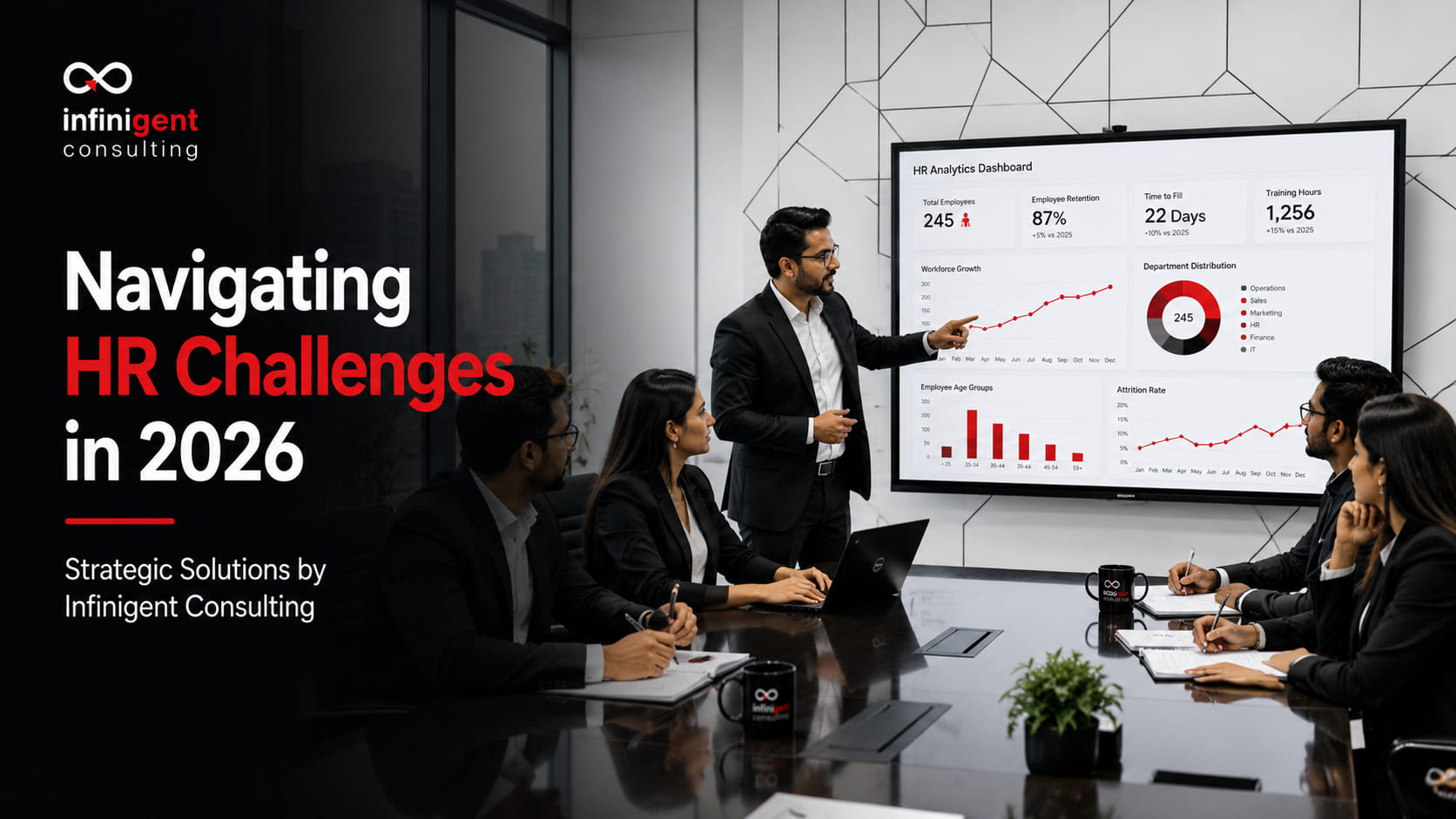
As Bangladesh’s business ecosystem continues to evolve, companies are facing increasingly complex workforce and human resource management challenges. From recruitment difficulties and employee retention issues to compliance risks and workforce skill gaps, HR departments are under immense pressure to adapt quickly.
In 2026, organizations can no longer rely on traditional HR practices alone. Businesses now require strategic workforce planning, modern HR systems, and data-driven people management strategies to remain competitive.
This is why many organizations are now affiliating with an experienced HR consulting firm in Bangladesh to improve recruitment processes, optimize workforce management, and build scalable HR systems.
In this article, we will explore:
- The biggest HR challenges companies in Bangladesh face in 2026
- Why these challenges are increasing
- The impact on business growth and productivity
- How HR consulting and HR outsourcing solutions can help businesses overcome them
Recruitment Crisis in Bangladesh
One of the most is significant HR challenges in Bangladesh today is finding qualified talent.
Many businesses struggle to recruit employees with the right combination of:
- Technical skills
- Communication abilities
- Leadership potential
- Industry-specific experience
This issue affects businesses across multiple sectors, including:
- IT & Technology
- Manufacturing
- Retail
- BPO
- Corporate services
- Startups & SMEs
- Healthcare
- Non-profitable
Why Recruitment Has Become More Difficult
Increased Competition for Skilled Talent
The demand for experienced professionals has grown significantly over the past few years. Companies are competing aggressively for top talent, especially in:
- Technology
- Accounts & Finance
- Sales
- HR
- Digital operations
- Customer service
As a result, recruitment costs have increased substantially.
Skill Mismatch in the Job Market
Many graduates entering the workforce lack practical industry skills. While academic qualifications may exist, employers often struggle to find candidates who are job-ready.
This creates a major hiring gap for organizations.
Slow Hiring Processes
Traditional recruitment methods often result in:
- Delayed hiring decisions
- Candidate drop-offs
- Poor candidate experience
- Increased operational pressure
Without an effective recruitment consulting strategy, businesses lose valuable time and productivity.
Employee Retention Problem
Recruiting employees is only one part of the challenge. Retaining skilled employees has become even harder.
High employee turnover is now one of the biggest operational concerns for businesses in Bangladesh.
Why Employees Leave Companies
Lack of Career Growth Opportunities
Employees today expect:
- Clear career progression
- Learning opportunities
- Leadership development
- Recognition and rewards
Companies that fail to invest in employee development often experience higher turnover rates.
Workplace Culture Issues
Toxic workplace culture, poor communication, and lack of employee engagement significantly impact retention.
Modern employees prioritize:
- Healthy work environments
- Flexibility
- Work-life balance
- Supportive leadership
Salary & Benefits Competition
As industries become more competitive, employees frequently switch companies for:
- Better compensation
- Improved benefits
- Career advancement opportunities
Businesses without strong employee retention strategies struggle to maintain workforce stability.
HR Compliance Challenges
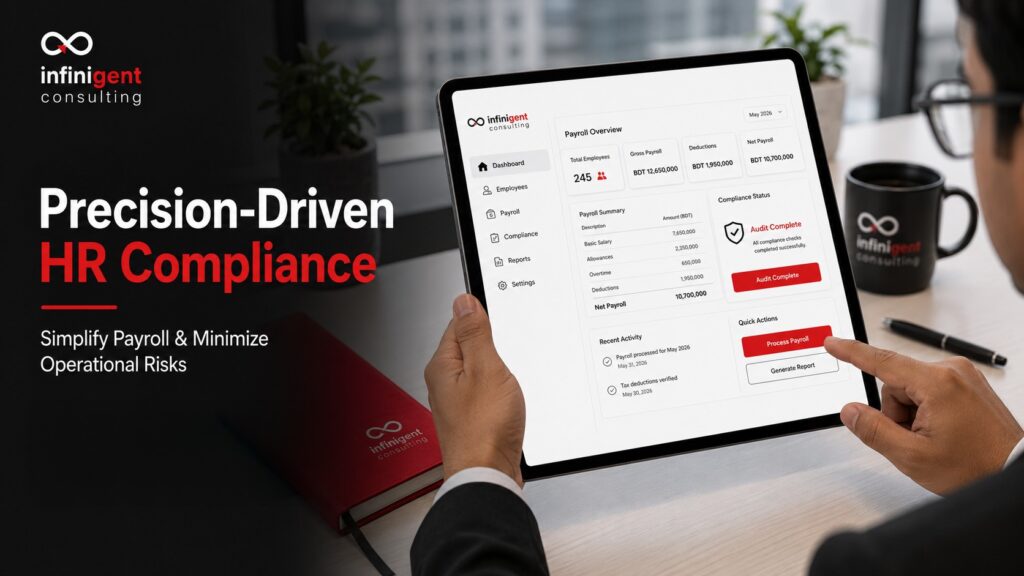
HR compliance is becoming increasingly important for businesses operating in Bangladesh.
Many companies face difficulties managing:
- Labor law compliance
- Payroll regulations
- Employee documentation
- Tax requirements
- Workplace policies
Failure to maintain compliance can result in:
- Financial penalties
- Legal complications
- Reputational damage
- Employee disputes
Common Compliance Mistakes
Poor Documentation
Many businesses still operate without:
- Proper contracts
- HR policies
Inconsistent HR Policies
Lack of standardized HR policies often creates confusion and internal disputes.
Clear policies are essential for:
- Leave management
- Workplace conduct
- Performance evaluations
- Disciplinary procedures
- Performance Management
Changing Employment Regulations
Employment laws and workplace expectations continue to evolve. Businesses that fail to adapt quickly risk operational disruptions.
This is why many organizations now rely on HR Consulting service Provider in Bangladesh providers for compliance support and policy development.
Payroll & Workforce Management
Managing payroll accurately and efficiently is another major challenge for growing businesses.
Payroll errors can negatively impact:
- Employee satisfaction
- Compliance
- Financial planning
- Organizational trust
Common Payroll Management Problems
Manual Payroll Systems
Many businesses still rely on spreadsheets or outdated systems, increasing the risk of:
- Calculation errors
- Delayed salary processing
- Tax mistakes
- Record inconsistencies
Attendance & Leave Tracking Issues
Without proper workforce management systems, companies struggle to track:
- Overtime
- Leave balances
- Shift management
This reduces operational efficiency and creates administrative confusion.
Scaling Workforce Operations
As businesses grow, managing larger teams becomes increasingly difficult without structured HR systems and automation.
To manage these growing demands, many businesses turn to HR outsourcing services in Bangladesh to streamline their workforce operations.
Skills Gap & Training Issues
The workforce skills gap is becoming a major business challenge in Bangladesh.
Many organizations struggle to find employees with:
- Leadership capabilities
- Communication skills
- Technical expertise
- Problem-solving abilities
- Adaptability
This directly affects productivity and service quality.
Why Upskilling Is Essential in 2026
The workplace landscape in Bangladesh is transforming as digital tools, automated systems, and AI integration redefine day-to-day operations. Routine administrative tasks are increasingly handled by technology, shifting the human workforce toward more strategic, analytical, and creative roles.
Additionally, the widespread adoption of remote and hybrid collaboration requires professionals to seamlessly navigate virtual communication platforms, while rising customer expectations demand faster, more personalized service. Because these technological and market shifts are occurring so rapidly, static skills can quickly become obsolete. To remain relevant and competitive, employees must embrace continuous learning and upskilling as an ongoing part of their professional careers.
Corporate Training Challenges
Many businesses lack:
- Structured training programs
- Leadership development systems
- Performance coaching frameworks
- Employee development strategies
Without ongoing training, workforce performance stagnates.
Importance of Employee Development
Organizations that invest in employee growth typically experience:
- Higher retention rates
- Better productivity
- Stronger workplace culture
- Improved customer satisfaction
This is why corporate training and workforce development programs are becoming increasingly important.
How HR Consulting Firms Solve These Problems
Professional HR consulting firms help businesses address workforce challenges strategically and efficiently.
Rather than reacting to HR issues after they occur, consulting firms help businesses build long-term systems for sustainable growth.
Recruitment Optimization
HR consultants help businesses:
- Improve hiring processes
- Build employer branding
- Reduce hiring time
- Identify better talent sources
- Create structured recruitment systems
This leads to faster and more effective hiring decisions.
Employee Retention Strategy Development
Consultants help organizations improve:
- Workplace culture
- Employee engagement
- Leadership effectiveness
- Performance management
- Career development planning
These strategies significantly reduce turnover rates.
HR Policy & Compliance Support
HR consulting firms assist with:
- HR documentation
- Compliance frameworks
- Payroll policies
- Workplace policy implementation
This reduces legal and operational risks.
Workforce Management Solutions
Modern workforce management includes:
- Attendance systems
- Payroll automation
- HR software integration
- Performance tracking
- Workforce analytics
These systems improve operational efficiency and decision-making.
Corporate Training & Development
Consulting firms also provide:
- Leadership training
- Soft skills training
- Sales training
- Team-building workshops
- Employee development programs
- Customised training
This helps organizations build stronger and more capable teams.
Why Businesses Are Choosing HR Outsourcing in Bangladesh
More businesses are now outsourcing HR functions because it helps:
- Reduce operational costs
- Improve compliance
- Save management time
- Access expert HR support
- Improve scalability
Frequently Asked Questions
What does an HR consulting firm do?
An HR consulting firm helps businesses improve recruitment, employee management, compliance, payroll, training, and workforce strategies.
Why is employee retention difficult in Bangladesh?
These retention challenges are typically driven by a combination of limited career growth opportunities and aggressive salary competition across industries. Furthermore, issues such as unsupportive workplace cultures, low employee engagement, and ineffective leadership frequently prompt valuable team members to seek opportunities elsewhere.
What are the benefits of HR outsourcing?
Benefits include:
- Reduced operational costs
- Better compliance
- Improved payroll accuracy
- Access to HR expertise
- Faster recruitment processes
Why is corporate training important?
Structured corporate training helps enhance individual employee performance and build stronger leadership capabilities within an organization. This investment also supports gains in overall productivity, fosters better team collaboration, and elevates the quality of customer service.
How can HR consulting improve business growth?
Strong HR systems improve:
- Workforce productivity
- Employee satisfaction
- Operational efficiency
- Recruitment quality
- Long-term organizational stability
The HR landscape in Bangladesh is evolving rapidly. Businesses that fail to modernize their HR systems may struggle with recruitment, retention, compliance, and workforce productivity challenges.
In 2026, successful companies will be those that:
- Invest in employee development
- Build structured HR systems
- Prioritize workforce management
- Use data-driven HR strategies
- Partner with experienced HR consulting professionals
As workforce expectations continue to change, HR is no longer just an administrative function – it has become a core driver of business growth and operational success.
Partnering with a reliable HR consulting firm in Bangladesh can help businesses navigate these challenges more effectively and build stronger, more scalable organizations.